

I’ve lost count of how many patients have walked into my clinic with stories about their DIY skin tag removal attempts gone wrong. Just last week, a client sheepishly showed me a small scar where a skin tag used to be, admitting she’d tried removing it with nail scissors after watching a YouTube tutorial. While I understand the temptation to handle these common growths at home, my decade-plus experience treating thousands of skin tags has taught me that what seems simple often isn’t.
Skin tags affect nearly half of all adults at some point in their lives, making them one of the most common benign skin growths I encounter in my practice. Their harmless nature and bothersome location often drive people to attempt removal at home, but the risks involved might surprise you. Let me share what I’ve learned about skin tag removal safety, when DIY approaches might work, and why professional treatment often proves the smarter choice.
Understanding What You’re Actually Dealing With
Before attempting any skin tag removal, you need to confirm you’re actually dealing with a skin tag. These small, soft growths typically hang from the skin by a thin stalk and most commonly appear in areas where skin rubs against skin—neck, armpits, groin, and under breasts. They’re usually flesh-colored or slightly darker and painless unless irritated.
However, I’ve seen countless cases where patients mistook other growths for skin tags. Seborrheic keratoses, moles, warts, and even early skin cancers can sometimes resemble skin tags, especially to untrained eyes. This misidentification represents one of the biggest risks of DIY removal—you might be treating the wrong condition entirely.
A proper diagnosis requires professional evaluation. While most skin tags are benign, any growth that changes color, size, or shape warrants immediate medical attention. I always recommend having suspicious growths examined before attempting any removal method.
The Allure and Reality of Home Removal Methods
The internet overflows with DIY skin tag removal methods, from over-the-counter freeze kits to household items like dental floss and apple cider vinegar. I’ve researched these approaches extensively and treated numerous complications from home attempts, giving me unique insight into what works and what doesn’t.
Over-the-counter freezing kits represent the most legitimate home option. These products use cryotherapy similar to professional treatments, though at lower temperatures. They can be effective for small, uncomplicated skin tags, but proper application requires careful attention to instructions. I’ve seen excellent results when used correctly, but also significant tissue damage when misapplied.
String or dental floss ligation involves tying off the skin tag’s stalk to cut off blood supply. While this method can work, it requires perfect sterile technique and carries infection risks. The process also takes days to weeks, during which the dying tissue can become painful and malodorous.
Topical treatments like tea tree oil, apple cider vinegar, or iodine promise gradual removal but rarely deliver meaningful results. These substances can cause chemical burns or allergic reactions without effectively removing the growth.
Hidden Risks That Keep Me Awake at Night
Throughout my career, I’ve treated numerous complications from DIY skin tag removal attempts. These experiences have given me deep appreciation for the risks involved, even with seemingly simple procedures.
Infection tops my list of concerns. Skin tags have blood supply, and any removal method creates an open wound. Without proper sterile technique, bacteria can enter the wound, leading to local infection or, in rare cases, more serious systemic infections. I’ve treated several cases that required antibiotic therapy after home removal attempts.
Excessive bleeding occurs when larger skin tags are removed without proper technique. The stalk contains blood vessels that can bleed significantly if not properly cauterized or controlled. Home removal methods often lack adequate bleeding control measures.
Incomplete removal happens frequently with DIY methods. When the entire growth isn’t removed, skin tags often regrow, sometimes larger than before. This incomplete removal can also lead to irregular healing and scarring.
Nerve damage represents a less common but serious risk, particularly for skin tags in sensitive areas. Improper removal technique can damage surrounding nerves, leading to permanent numbness or altered sensation.
When Professional Skin Tag Removal Makes Sense
After years of performing skin tag removals, I’ve identified several situations where professional treatment becomes essential rather than optional.
Large or numerous skin tags require professional attention. Removing multiple growths simultaneously requires careful planning and proper wound care that exceeds most people’s home capabilities. Large skin tags also have more substantial blood supply and higher complication risks.
Difficult locations like eyelids, genital areas, or areas with thin skin demand professional expertise. These locations have unique anatomy and healing considerations that make DIY removal particularly risky.
Uncertain diagnosis always warrants professional evaluation. Any growth that doesn’t clearly appear to be a typical skin tag should be examined by a qualified provider before removal attempts.
Previous complications from home removal attempts indicate the need for professional care. If you’ve experienced excessive bleeding, infection, or poor healing from previous DIY attempts, professional removal offers better outcomes.
Professional Treatment Options and Advantages
Modern professional skin tag removal offers several methods, each with specific advantages. Cryotherapy uses liquid nitrogen to freeze the growth, causing it to fall off within days. This method works well for most skin tags and leaves minimal scarring when performed correctly.
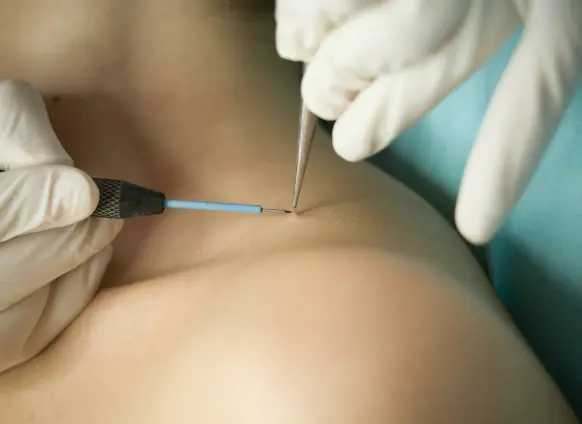
Electrocautery uses electrical current to burn off the skin tag while simultaneously sealing blood vessels. This technique provides excellent bleeding control and immediate removal, making it ideal for larger growths.
Surgical excision involves cutting the skin tag with sterile instruments. While this sounds intimidating, it’s often the quickest method and allows for tissue examination if there’s any diagnostic uncertainty.
Laser removal offers precise tissue removal with excellent cosmetic results. Though more expensive, laser treatment minimizes damage to surrounding tissue and often provides the best aesthetic outcomes.
Professional removal also includes proper wound care instructions, follow-up monitoring, and access to medical support if complications arise. These factors significantly reduce infection risks and improve healing outcomes.
Making the Right Choice for Your Situation
When patients ask me whether they should attempt home removal, I consider several factors. Small, uncomplicated skin tags in easily accessible locations might be candidates for careful home treatment using approved over-the-counter methods.
However, I generally recommend professional removal for several reasons. The cost difference is often minimal when you factor in the time, multiple attempts, and potential complications from DIY methods. Professional removal is typically quick, efficient, and comes with expert aftercare guidance.
For those searching for “skin tag removal near me,” finding qualified providers has never been easier. Dermatologists, family physicians, and trained nurse practitioners can all perform these procedures safely and effectively.
Regional Considerations and Access
If you’re looking for “skin tag removal Oakville” or other specific locations, research providers carefully. Look for professionals with proper credentials, clean facilities, and good patient reviews. Many providers offer consultations where they can assess your specific situation and recommend the best approach.
Consider the convenience factor as well. Professional removal typically takes 15-30 minutes and provides immediate results, while home methods often require weeks of treatment with uncertain outcomes.
The Bottom Line on Safety
After treating countless skin tag complications, I believe informed decision-making is crucial. While some home removal methods can work for appropriate candidates, the risks often outweigh the modest cost savings. Professional removal offers superior safety, better cosmetic outcomes, and peace of mind that comes with expert care.
If you’re determined to try home removal, stick to approved over-the-counter products, maintain strict sterile technique, and don’t hesitate to seek professional help if complications arise. Remember that what seems like a simple cosmetic procedure still carries real medical risks that shouldn’t be taken lightly.
Most importantly, never attempt to remove growths you haven’t had properly diagnosed. The few minutes and modest cost of professional evaluation can prevent serious complications and ensure you’re addressing the right condition. Your skin deserves the best care possible, and sometimes that means leaving certain procedures to the professionals.